
Что Вы ищете
?
Почему расходные материалы для струйных принтеров CIJ так сильно влияют на качество печати?
Почему расходные материалы для струйных принтеров CIJ так сильно влияют на качество печати?
Понимание прямой связи между химическим составом чернил, качеством расходных материалов и кодами, которые считывают ваши клиенты.
Техническое руководство · Качество струйной печати · 6 мин чтения
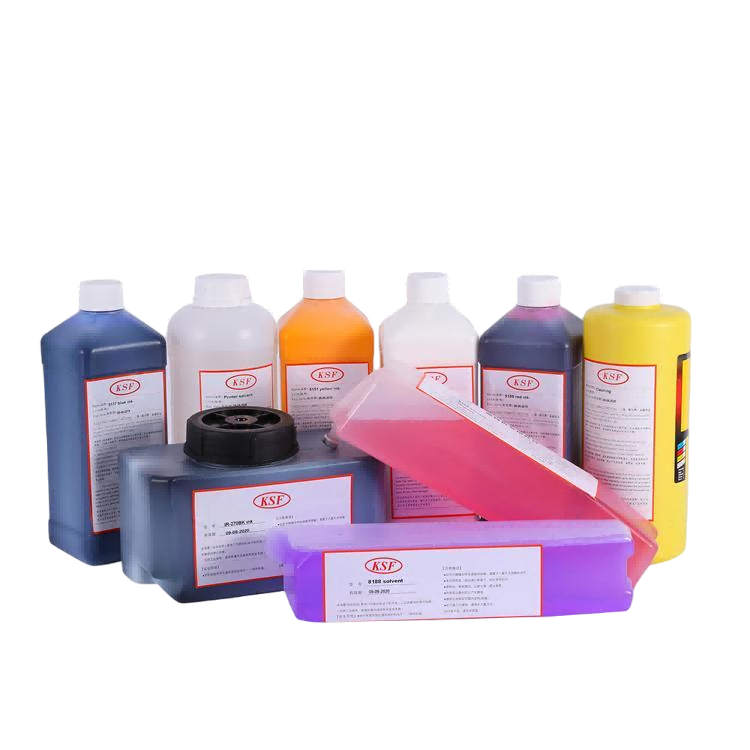
Струйный принтер — это высокоточный инструмент, который работает с чернилами как в качестве маркировочного материала, так и в качестве рабочей жидкости. Чернила должны идеально выполнять три задачи каждую миллисекунду:
Даже малейшее изменение физических или химических свойств чернил влияет на каждый из этих этапов. Именно поэтому выбор чернил является важнейшим фактором качества печати на струйных принтерах.
Для формирования однородных капель в струйных принтерах CIJ используется точная вязкость. Типичный рабочий диапазон составляет 2-10 сантипуаз (сП).
Принтеры CIJ заряжают каждую каплю электростатически, чтобы отклонить ее и установить в нужное положение. Проводимость должна оставаться в узком диапазоне (обычно 500-1500 мкСм/см).
Чернила должны высохнуть, прежде чем продукт достигнет следующего этапа обработки. Если они сохнут слишком медленно, коды размываются во время упаковки или транспортировки. Если же они сохнут слишком быстро, чернила могут высохнуть внутри сопла и вызвать засорение.
Состав растворителей в чернилах определяет время высыхания. Чернила на основе МЭК сохнут быстрее всего; чернила на спиртовой и водной основе — медленнее.
Красящие чернила полностью растворяются, обеспечивая прозрачный, яркий цвет. Пигментные чернила представляют собой твердые частицы, которые остаются на поверхности.
Даже микроскопические частицы в чернилах могут частично заблокировать сопло, вызывая отклонение струи. Распространенные загрязнители:
В процессе работы принтера растворитель испаряется из чернил. Принтер добавляет дополнительный растворитель для компенсации. Если используется неправильный растворитель или не соответствует норме добавления, вязкость чернил изменяется, и качество печати со временем ухудшается.
Именно поэтому использование настоящего растворителя (а не дешевой альтернативы) имеет решающее значение — алгоритм приготовления раствора в принтере откалиброван для конкретной скорости испарения исходного состава.
Использование чернил сторонних производителей или контрафактных чернил может сэкономить деньги на каждом картридже, но скрытые издержки значительны:
| Проблема | Результат | Типичная стоимость |
|---|---|---|
| Неправильная вязкость | Отбракованная продукция, остановки производственной линии | 500-2000 долларов в час простоя |
| Загрязнение частицами | Засорение сопла, замена печатающей головки. | 800-3000 долларов за печатающую головку |
| Неправильная проводимость | Неразборчивые коды, жалобы клиентов | Возможен возврат платежа или отзыв товара. |
| Несовместимый растворитель | Изменение вязкости, требуется промывка системы. | 200-500 долларов + 2-3 часа работы |
Если вы заметили какие-либо из этих проблем, прежде чем обвинять принтер, следует сначала заподозрить неладное в качестве чернил:
Установите новый оригинальный картридж из заведомо исправной партии. Если качество печати сразу улучшится, проблема в чернилах. Если нет, принтер или печатающая головка нуждаются в ремонте.
Производители разрабатывают рецептуру чернил и растворителя таким образом, чтобы они работали как единая система. RFID-чип, встроенное программное обеспечение принтера и алгоритмы нанесения откалиброваны под исходную рецептуру.
Чернила со временем портятся. Используйте принцип FIFO (первым пришел — первым ушел) и никогда не устанавливайте картриджи с истекшим сроком годности. Срок годности большинства чернил для струйных принтеров составляет 12-18 месяцев с момента изготовления.
Хранить при температуре 15-25°C. Экстремальные температуры вызывают изменение вязкости, оседание пигмента и образование конденсата внутри картриджа.
Каждая формула чернил имеет свой специфический состав растворителей. Использование неправильного состава со временем изменяет химический состав чернил и ухудшает качество печати.
Распечатайте тестовый шаблон в начале каждой смены. Сравните его с эталонным образцом. Если вы заметите ухудшение качества, проведите расследование, прежде чем это приведет к браку продукции.
Для переключения между различными составами чернил требуется полная промывка системы. Смешивание несовместимых чернил может привести к образованию осадка, который забивает сопло и повреждает печатающую головку.
Техническое руководство — Качество печати струйных принтеров
Для получения инструкций по обращению и хранению, специфичных для конкретного состава чернил, всегда консультируйтесь с поставщиком.

Оставить сообщение
Отсканируйте QR-код для отправки в WeChat :

Отсканируйте в WhatsApp :

 English
 Pусский
 Español
 Português
 العربية
 فارسی
فارسی




 IPv6 ПОДДЕРЖИВАЕТСЯ СЕТЬ